
by Raising Relatives | Sep 30, 2026 | Challenging Behaviors, Healing from Trauma/Neglect/Abuse, Raising Adolescents (tweens/teens), Supporting Healthy Relationships/Attachment
A child’s behavior can tell us a lot, even when they don’t have the words to describe what they are feeling. Big reactions, shutting down, trouble following directions, or sudden mood changes may signal that your relative child is overwhelmed, worried, or trying...
by Raising Relatives | Sep 23, 2026 | ADHD, Challenging Behaviors, Healing from Trauma/Neglect/Abuse, Impacts of Prenatal Exposure to Alcohol and Drugs
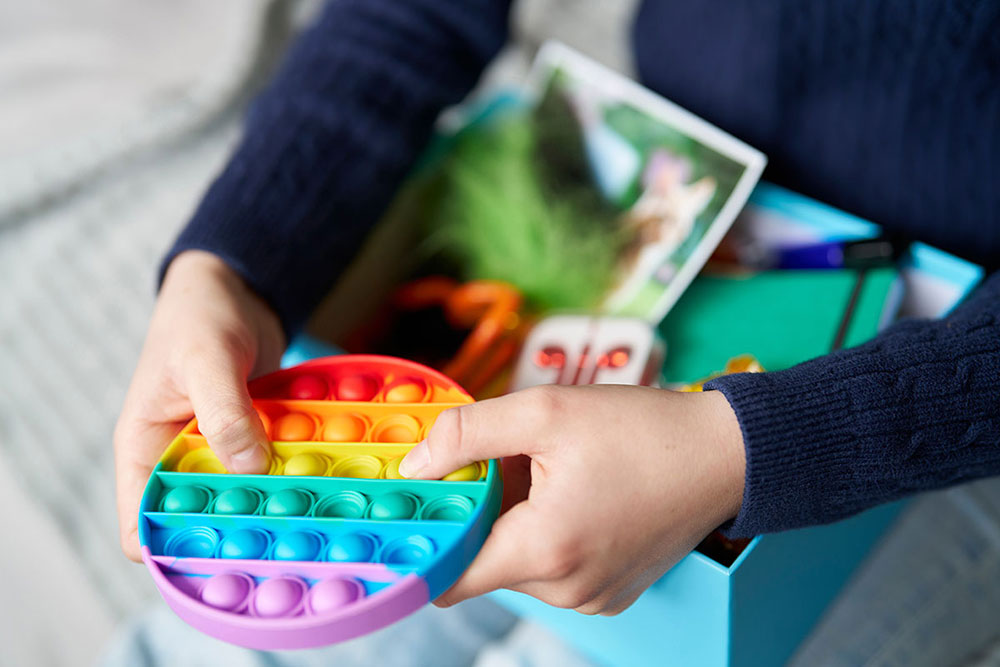
Everyday activities can feel like too much for a child who is sensitive to sounds, sights, smells, touch, movement, or busy surroundings. A trip to the store, getting ready for school, a family meal, or time at a community event may lead to tears, frustration,...

by Raising Relatives | May 28, 2026 | Challenging Behaviors, Healing from Trauma/Neglect/Abuse, Raising Adolescents (tweens/teens), Supporting Healthy Relationships/Attachment
It is hard to watch a child you love get hurt by other children. Many caregivers feel worried, angry, sad, or helpless when they learn a child is being bullied. Some children tell adults right away. Others stay quiet because they feel embarrassed, afraid, or unsure if...

by Raising Relatives | May 11, 2026 | Challenging Behaviors, Healing from Trauma/Neglect/Abuse
You might notice something that feels confusing, or even a little worrying. Food is tucked into a backpack. Snacks are hidden in a bedroom. Wrappers are stashed under the bed. If you’re raising a grandchild, niece, nephew, or another relative, you might find yourself...

by Raising Relatives | May 1, 2026 | Challenging Behaviors, Healing from Trauma/Neglect/Abuse, Self-Care for Kinship and Foster Parents, Supporting Healthy Relationships/Attachment
Caring for your relative’s children—especially children who have been through hard things—takes a lot of energy, patience, and heart. Many caregivers are told, “Take care of yourself.” But what does that really mean? Self-care is not about pampering yourself with...

by Raising Relatives | Apr 22, 2026 | Challenging Behaviors, Healing from Trauma/Neglect/Abuse, Supporting Healthy Relationships/Attachment
Caring for your grandchild, niece, nephew, or cousin can bring powerful emotions to the surface for everyone involved. This may be especially true when this child has experienced stress, trauma, or big life changes before joining your home. Many caregivers want to...