
Articles
Healing from Trauma/Neglect/Abuse

Practical Tips for Supporting a Relative Caregiving Family
When a relative child comes into care unexpectedly, whether you’re an auntie, uncle, cousin, grandparent, or other relative, it can turn life upside down. In Cherokee families, stepping in for children is not new. We have always believed children belong to the whole...

Tips for Welcoming a Tween or Teen Relative to Your Home
When your tween or teen relative can no longer live safely with their parents, moving to a relative’s home can bring many mixed feelings. They may feel relief, fear, anger, or guilt. The feelings are mixed for you, too: uncertainty, hope, or even overwhelm. All of...

5 Ways to Help a Child with Sensory Challenges
Many of the grandchildren, nieces, nephews, and other kids you care for have been through hard things, such as neglect, abuse, loss, or exposure to alcohol or drugs before birth. These early experiences can shape how a child’s brain and body respond to the world...
Impacts of Prenatal Exposure to Alcohol and Drugs

Helping Tweens and Teens Manage Money
When a child’s developing brain is impacted by exposure to drugs and alcohol during pregnancy, early loss, neglect, or other trauma, they may struggle to understand money. Learning the value of money and how to manage it can also be an overwhelming task for kids with...

3 Essential Tips for Raising a Child with Brain Differences
Your grandchild with brain differences (like ADHD, prenatal substance exposure, autism, or learning differences) navigates the world differently than you do. Sometimes, those differences can make the days challenging for you all. However, if you can focus on these...

Potty Training a Child Who Had Prenatal Substance Exposure
Potty training your young grandchild, niece, or nephew is a huge milestone in gaining independence for you all. Grandparents and relative caregivers may feel overwhelmed with where to start and how long it will take. Every child is different, and there is a wide range...
Challenging Behaviors

Do You Need Help with Your Relative Child’s Tantrums, Rages, and Meltdowns?
Does this sound familiar? Your grandchild starts yelling, crying, or storming off in the middle of the grocery store. Your heart starts racing, and you feel like all eyes are on you! Do you need better tools to handle your grandchild's or other relative child’s...

When Siblings Harm Each Other
In this community, we value “family” as much bigger than just parents and children. This is one of the most common reasons that grandparents, aunts, uncles, and other relatives step in to help raise a child when the parents can’t. The strength of kinship care helps...

Bedwetting and Accidents, Potty Training Part 2
Helping a Child with Bedwetting and Other Toileting Problems Even after a child has learned successful daytime potty skills, they may experience other toileting challenges. For example, overnight bedwetting or pooping in their pants is not uncommon for kids who were...
ADHD
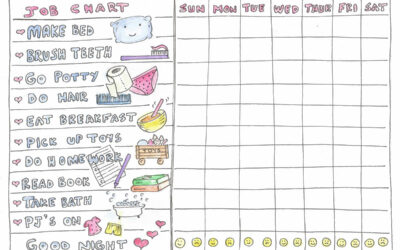
Practical Ideas for Keeping Easily Distractible Kids on Task
Many kids struggle to stay focused and attend to tasks. As they grow and learn new organizational skills that work for them, they often grow out of their distractibility. However, struggles with organization and staying on task can typically last much longer for a...

Understanding ADHD and How to Support Your Grandchild at Home
Do you ever feel overwhelmed or confused by your grandchild's behavior? Do you wonder how to help them stay on task at home and school? It's common for kids impacted by trauma or loss to also struggle with challenging behaviors as they cope with the painful...

Tips for Raising a Child with Attention Issues
Some kids are simply more easily distracted than others. They have trouble focusing in school and at home. They may have a diagnosis of Attention Deficit Hyperactivity Disorder (ADHD) or not, but you know that keeping their attention is a challenge. There are some dos...
Disrupting Birth Order
No Results Found
The page you requested could not be found. Try refining your search, or use the navigation above to locate the post.
Helping A Child Heal from Sexual Abuse
No Results Found
The page you requested could not be found. Try refining your search, or use the navigation above to locate the post.
School Issues for Foster & Kinship Kids

A Quick Checklist to Prepare for Back-to-School
It seems almost too soon to mention the “s-c-h-o-o-l" word. Still, quicker than you can imagine, your grandchild will be figuring out who is in their homeroom and talking about packing school supplies. When raising a loved one's child, it's good to consider what else...

Being an Active Participant in Your Grandchild’s School Experience
Your grandchild has come to live with you, and it feels like everyone is finally settled into the new routine at home. You find that you have the time, energy, and interest to get involved at your relative child's school. However, you need help figuring out where to...

Helping a Disorganized Child Bring Order to their Schoolwork
Are you raising a grandchild who is struggling with school because they’re so disorganized? Does it seem like they never finish their homework and maybe can’t even tell you what their homework is? Several factors can impact the development of a child’s organizational...
Technology/Internet and Our Kids
No Results Found
The page you requested could not be found. Try refining your search, or use the navigation above to locate the post.
Self-Care for Kinship and Foster Parents

Tips to Help You Plan Regular Self-Care
Raising your relative’s child is a sacred responsibility and a loving act that gives this child a safe space to land when their parents cannot care for them right now. Whether you're a grandparent, aunt, uncle, cousin, or chosen family, you can make a lasting impact...

Why Self-Care Matters When Raising a Relative’s Child
In many tribal communities, raising children is a shared responsibility. Aunties, uncles, grandparents, cousins, and even close family friends who step in when parents cannot show extraordinary love, commitment, and community in action. You likely are reading this...

Practical Tips for Navigate the Tween and Teen Years with Your Relative Child
The tween and teen years can get a bad rap – folks assume an adolescent will be rebellious, acting out, or stuck behind a screen with a sullen look on their face. While sometimes those things are true, it’s also true that the teen years can be rich with rewarding...
Relationship with Child’s Parent
9 Tips for Working with the Child’s Parents
When your grandchild, nephew, or family friend is living with you, you will need to work with the child’s parents to some extent to raise this child. If child welfare is involved, they will let you know what they expect and what is allowed. If child welfare is not...
Working Together For the Good of the Child In Your Care

Starting on the Right Foot if Raising Your Grandchild is New to You
Many factors have come together to lead you to welcome your grandchild (or any other relative) to your home. This new situation can be fulfilling and satisfying – after all, you are helping this child find healing and safety to grow and thrive. However, the new...

Resources to Strengthen and Support Your Family
“It takes a village” brings a whole new meaning when you are raising a grandchild or cousin. Whether you are helping your adult children bring up their kids or raising a nephew or niece for the long haul, you need resources, community, and support. We’re bringing...

Refreshing Your Hope and Strength for Raising This Child
Whether you've already raised several children or recently welcomed another grandchild or loved one to your home, it’s easy to feel weary about the “full plate” in front of you. Raising a grandchild or other relative’s child brings you many new challenges. Maybe you...
Raising Adolescents (tweens/teens)
No Results Found
The page you requested could not be found. Try refining your search, or use the navigation above to locate the post.
Supporting Healthy Relationships/Attachment

How to Talk to Your Relative Child About the Hard Parts of Their Story
When you step up to help raise a child from your family, you already share a history, relationships, and deep connections. In many Native communities, children are often cared for by a circle of relatives who help guide and protect them. However, when a child cannot...

Helping Kids Avoid Marijuana and Vaping
Raising kids has never been simple — and today’s world brings some challenges many caregivers didn’t face growing up. Marijuana and vaping are easier to hide, easier to get, and often seen by young people as “not a big deal.” Don’t Underestimate Your Influence If you...

Caring for Kids While Strengthening Your Financial Future
Money may not be your favorite topic. But when you welcome a relative child into your home, sometimes with little notice, finances quickly become a daily focus. From school supplies to gas for appointments to food for hungry tweens and teens, the costs add up. If you...
Phone
This website was supported with funding from the U.S. Department of Health and Human Services, Administration for Children and Families’ Children’s Bureau through the Improving Child Welfare Through Investing in Family grant #HHS-2021-ACF-ACYF-CW-1921. The purpose of this grant is to provide an array of kinship preparation services and ongoing kinship supports, and provide shared parenting to build trusting relationships between all out-of-home caregivers and parents of children/youth in foster care to ensure parents and families remain actively involved in normal child-rearing activities.
This website is supported by Grant Number 90CW1149 (HHS-2021-ACF-ACYF-CW-1921) from the Children’s Bureau within the Administration for Children and Families, a division of the U.S. Department of Health and Human Services. Neither the Administration for Children and Families nor any of its components operate, control, are responsible for, or necessarily endorse this website (including, without limitation, its content, technical infrastructure, and policies, and any services or tools provided). The opinions, findings, conclusions, and recommendations expressed are those of the author(s) and do not necessarily reflect the views of the Administration for Children and Families and the Children’s Bureau.