
Articles
Healing from Trauma/Neglect/Abuse

Welcoming a Child to Your Home as a Relative Caregiver
When a child in your extended family can’t live with their parents, it often falls to someone like you—a grandparent, aunt, uncle, or cousin—to step in and offer the safety, love, and stability they need. Bringing this child into your home is a powerful act of care....

Bedwetting and Accidents, Potty Training Part 2
Helping a Child with Bedwetting and Other Toileting Problems Even after a child has learned successful daytime potty skills, they may experience other toileting challenges. For example, overnight bedwetting or pooping in their pants is not uncommon for kids who were...

Potty Training Your Relative Child, Part 1
Taking care of children who have experienced loss, chaos, or exposure to alcohol or drugs before birth can be a big job, especially when it comes to potty training. These children may face extra challenges to conquer potty training, but with understanding, patience,...
Impacts of Prenatal Exposure to Alcohol and Drugs

Explaining Prenatal Alcohol or Drug Exposure to Your Grandchild
Are you raising a grandchild (or niece or cousin) whom you suspect was prenatally exposed to alcohol or drugs? Do they have a confirmed diagnosis? You may wonder when and how to explain prenatal exposure to them. Avoiding the topic can lead to shame, confusion, and...

Prenatal Exposure: Myths vs. Facts
When you are raising a family member’s child, you might feel overwhelmed by the amount of information – including faulty information - you hear about prenatal substance exposure. To be sure, it’s a steep learning curve to understand the impacts of alcohol on a...

Talking to Your Grandchild About a Parent’s Drug or Substance Abuse
Your grandchild (or other loved one’s child) came to you with the weight of scary or challenging experiences. Your priority is to help this child feel safe, loved, and supported. This site, your extended family, and professionals in your community are surrounding you...
Challenging Behaviors

Encouraging Curiosity in Children
“Why does the plant need water, Grandma?” “How does that plane stay up in the air?” “What do birds think about when they sleep?” Does your grandchild (nephew, niece, or cousin) ask these questions? Do you feel frustrated, overwhelmed, or stumped by the many questions...

3 Essential Tips for Raising a Child with Brain Differences
Your grandchild with brain differences (like ADHD, prenatal substance exposure, autism, or learning differences) navigates the world differently than you do. Sometimes, those differences can make the days challenging for you all. However, if you can focus on these...

The Do’s and Don’ts of Managing Holiday Stress
During the holiday season, your family may anticipate long days off from school, extra sweets and unique food, and seasonal events. However, you may also feel increased stress and anxiety. After all, there are more things on your To Do list. Your grandchild doesn't...
ADHD
No Results Found
The page you requested could not be found. Try refining your search, or use the navigation above to locate the post.
Disrupting Birth Order
No Results Found
The page you requested could not be found. Try refining your search, or use the navigation above to locate the post.
Helping A Child Heal from Sexual Abuse
No Results Found
The page you requested could not be found. Try refining your search, or use the navigation above to locate the post.
School Issues for Foster & Kinship Kids
No Results Found
The page you requested could not be found. Try refining your search, or use the navigation above to locate the post.
Technology/Internet and Our Kids
No Results Found
The page you requested could not be found. Try refining your search, or use the navigation above to locate the post.
Self-Care for Kinship and Foster Parents

Considering Respite Care When Caring for Your Relative’s Child
Raising a child who has experienced trauma is demanding, intensive work. You are thankful to offer your home as a safe landing place for this child. However, they have challenging behaviors, sleep disruptions, or other struggles. You know you need a break but aren't...

Healthy Habits of Self-Care to Build Resilience
When raising a loved one's child, it's easy to lose yourself in this child's needs and forget to care well for yourself. You get focused on helping your grandchild succeed in school. You move things around your calendar to ensure they continue with sports or therapy....

Self-Care Is Not Selfish
Welcoming a loved one’s child into our homes is a gracious and hospitable act of support and care for their struggling family. However, we often forget that raising someone else’s child – even one related to you – can take an added toll on our hearts, minds, and...
Relationship with Child’s Parent
No Results Found
The page you requested could not be found. Try refining your search, or use the navigation above to locate the post.
Working Together For the Good of the Child In Your Care

The Benefits of Raising a Grandchild or Other Young Loved One
When you first took in your grandkids (or other loved one), you may have done it because it was “the right thing to do.” The kids didn’t do anything to deserve this, and family cares for family. But it still feels hard. It might help to focus on the significant...

Practical Ways to Set Your Grandchild Up for Success
It's challenging to raise your grandchild (or other loved one) in today's world. Your grandchild’s early life experiences can make your role in their life feel overwhelming. The impacts of their trauma or prenatal exposure to drugs or alcohol can create many obstacles...
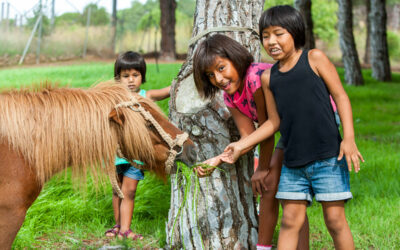
Welcoming a Relative Child When You Have Children Already in the Home
Adding a child to your family changes how you function in your home. Frequently, the kids already living in your home feel these changes most profoundly. This article will refer to them as "resident children." Tips to Prepare Resident Children Whether you are offering...
Raising Adolescents (tweens/teens)
No Results Found
The page you requested could not be found. Try refining your search, or use the navigation above to locate the post.
Supporting Healthy Relationships/Attachment

How to Talk to Teens About Screens
When you’re raising a relative’s teen in your home, especially when that teen couldn’t live safely in their parents’ home, you may face unique challenges. One of the big ones today is screens: phones, tablets, gaming, social media. It can feel like you’re fighting a...

Practical Ways to Partner with Family and Friends To Raise This Child
When you step in to raise your relative's child, as an auntie, grandmother, older cousin, or another trusted family member, you give that child something priceless: safety, steadiness, and love. But most of these kids also have others who care deeply about them. Their...

Have Some Winter Fun and Build Connection with Your Relative Tween or Teen
Do you ever catch yourself singing “Rockin’ around the Christmas tree…” and halfway through realize your tween or teen grandchild is doing their own version behind you, complete with lip-syncing, eye-rolling, but they’re secretly smiling too? That little burst of...
Phone
This website was supported with funding from the U.S. Department of Health and Human Services, Administration for Children and Families’ Children’s Bureau through the Improving Child Welfare Through Investing in Family grant #HHS-2021-ACF-ACYF-CW-1921. The purpose of this grant is to provide an array of kinship preparation services and ongoing kinship supports, and provide shared parenting to build trusting relationships between all out-of-home caregivers and parents of children/youth in foster care to ensure parents and families remain actively involved in normal child-rearing activities.
This website is supported by Grant Number 90CW1149 (HHS-2021-ACF-ACYF-CW-1921) from the Children’s Bureau within the Administration for Children and Families, a division of the U.S. Department of Health and Human Services. Neither the Administration for Children and Families nor any of its components operate, control, are responsible for, or necessarily endorse this website (including, without limitation, its content, technical infrastructure, and policies, and any services or tools provided). The opinions, findings, conclusions, and recommendations expressed are those of the author(s) and do not necessarily reflect the views of the Administration for Children and Families and the Children’s Bureau.